Why might I need retreatment?
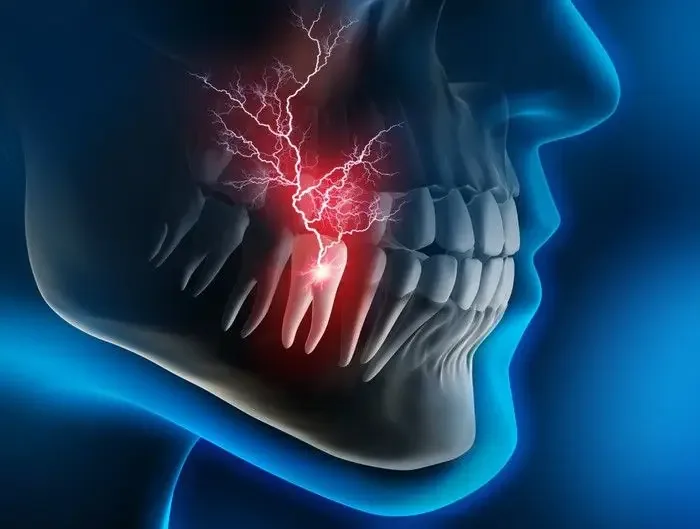
A tooth may fail to heal for several reasons, including:
- Narrow or curved canals that were not treated the first time
- Complex anatomy that was not detected initially
- Delay in placing a crown or permanent restoration after treatment
- Saliva contaminating the inside of the tooth
- New decay exposing the root filling to bacteria
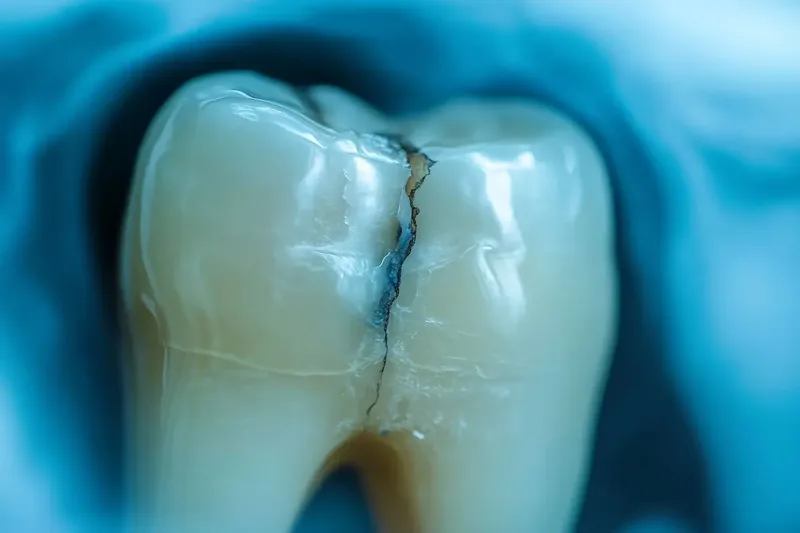
- A loose, cracked or broken crown or filling letting infection back in
Who carries out retreatment?
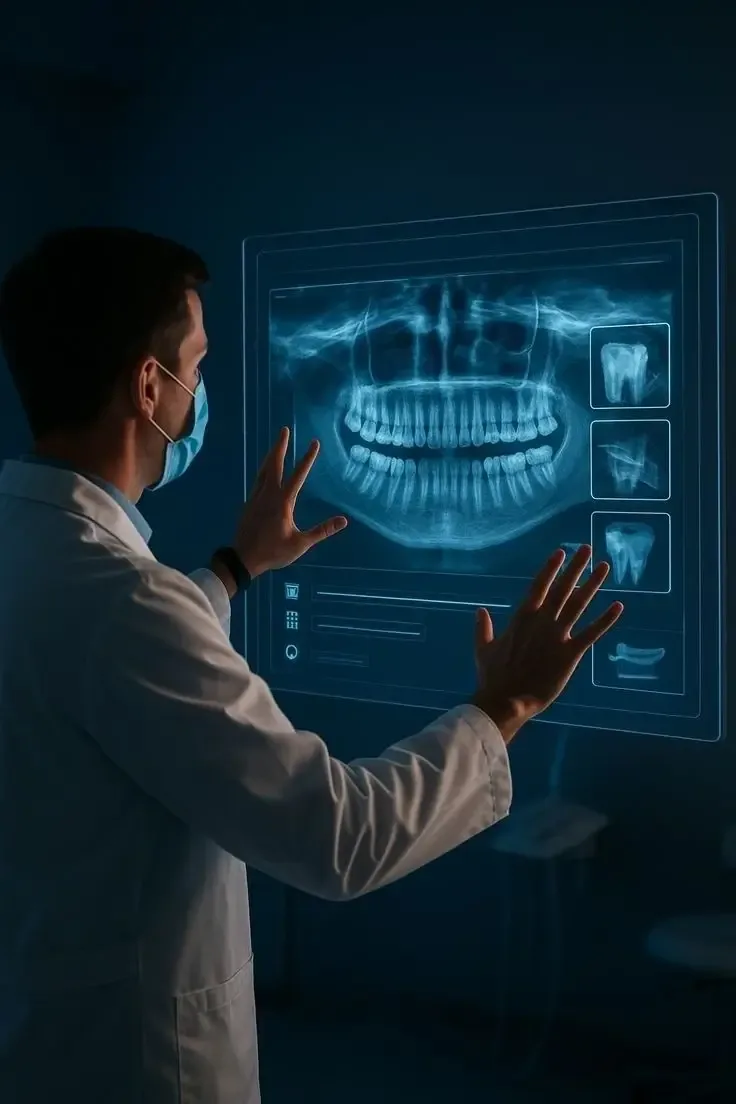
Retreatment is often more complex than first-time treatment, which is why many dentists refer it. Dr Sameer Lakho’s practice is limited to endodontics, and he uses operating microscopes, ultrasonics and digital imaging to treat narrow, curved or hidden canals precisely.
What happens during retreatment?
- 1The tooth is reopened to reach the existing root canal filling. Crowns, posts or core material sometimes need to be removed.
- 2The old filling is removed and the canals are cleaned under magnification and illumination to find any missed anatomy.
- 3The canals are refilled and sealed, and a temporary filling is placed.
- 4If the canals are very narrow or blocked, endodontic surgery such as an apicectomy may be recommended to seal the root from the other end.
- 5You return to your own dentist for a new crown or restoration to protect the tooth.
Is retreatment the right choice?
Whenever possible it is best to keep your natural tooth. Retreated teeth can stay healthy and functional for many years, sometimes for life. Modern retreatment uses techniques that may not have been available when the first root canal was done. No procedure comes with a guarantee, but retreatment significantly improves the chance of keeping the tooth.
Cost and insurance
Retreatment usually takes longer than a first root canal because existing materials have to be removed and unusual anatomy located, so the fee tends to be higher. Some insurance policies cover retreatment; others limit cover to one procedure per tooth in a set period, so check with your provider first. You receive a clear estimate before treatment starts.
Alternatives to retreatment
- Endodontic surgery (apicectomy)
- Removes infection at the root tip and seals the end of the root.
- Extraction and replacement
- Removing the tooth and replacing it with a bridge, implant or denture. This usually involves more treatment and often costs more than retreatment.
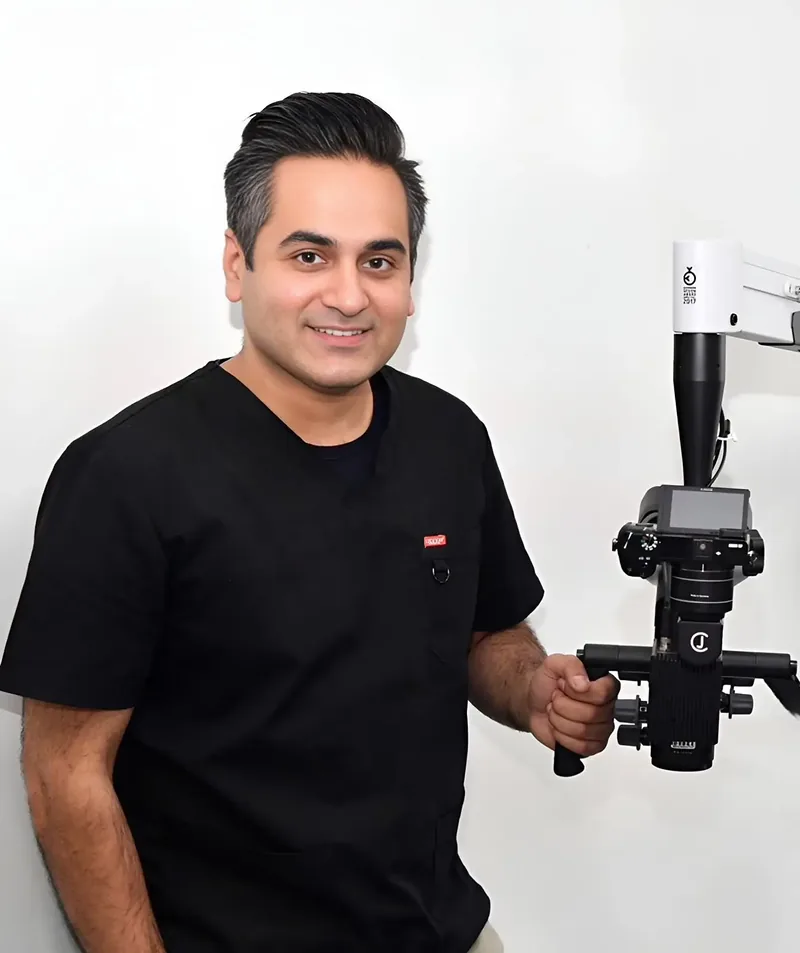
Treatment by
Dr Sameer Lakho
BA BDentSc MFDS RCSEd MSc Endodontics · Practice limited to endodontics